



Whether defending, restoring, or strengthening, in skincare there’s a lot of talk about the skin’s moisture barrier. Sometimes known as the skin's protective barrier too, aside from its name being pretty self-explanatory, it’s not always that clear however why we need to pay so much attention to the moisture barrier. For example, how does it get damaged, what are the signs of damage, and why is protecting the skin barrier so important?
To answer all these questions and more, here’s everything you need to know about the skin’s moisture barrier.
-

-
HA-Revive Hyaluronic DropsClinically-proven hyaluronic acid + marine actives hydrating serum$94.00
-
Bio-Renew EGF CreamClinically-proven epidermal growth factor + phyto-retinol cell repairing moisturizer$178.00
-
What is your moisture barrier?
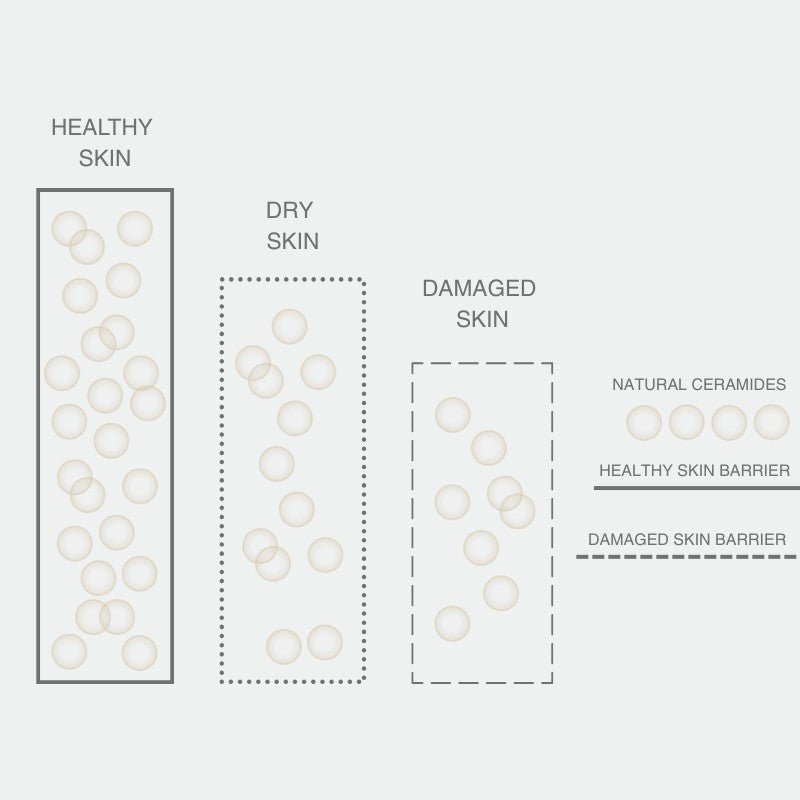
There are various layers to the skin, each serving a different purpose. Your moisture barrier, also known as your acid mantle or stratum corneum, provides critical protection for your skin. This layer acts as the first line of defense, keeping good things in and bad things out. Those bad things it keeps out include environmental stressors, bacteria, pollutants, and other irritants.
And the good things? That mainly includes hydration or moisture.
Here's a not-so-fun fact: it's estimated that more than 75% of the population suffers from dehydration. And, you guessed it, that means your skin's moisture barrier is damaged. The good news is, you can restore it and at the same time, improve your skin's hydration levels and get rid of that tight, dry feeling.
-
-
HA-Revive Hyaluronic DropsClinically-proven hyaluronic acid + marine actives hydrating serum$94.00
-
Bio-Renew EGF CreamClinically-proven epidermal growth factor + phyto-retinol cell repairing moisturizer$178.00
-
4 Ways to tell if your skin barrier is compromised
Recognizing the signs of a damaged skin barrier early can help you prevent long-term damage and restore balance faster.
#1 Constant dehydration
When the barrier is compromised, it struggles to hold water, causing moisture to escape from the deeper layers of the skin. This often leaves skin feeling tight, uncomfortable, and like dry skin no matter how much you hydrate.
#2 Hyper-sensitivity
One of the clearest symptoms of skin barrier damage is increased reactivity. Products you normally put on your skin—even a gentle cleanser—may suddenly cause stinging, burning, or discomfort, especially for those with sensitive skin.
#3 Inflammaging
Chronic inflammation can occur when your barrier is weakened and is constantly defending itself. Exposure to UV rays without proper SPF or broad-spectrum sunscreen can worsen this process, accelerating visible signs of aging, reducing elasticity.
#4 Visible irritation
A compromised barrier allows bacteria and irritants to penetrate more easily, often resulting in irritation and redness, breakouts, or even broken skin. These are key indicators that your current skin condition needs repair-focused care.
-
-
HA-Revive Hyaluronic DropsClinically-proven hyaluronic acid + marine actives hydrating serum$94.00
-
-
How to prevent moisture barrier damage
Nothing disrupts your stratum corneum quite like over-exfoliation. We always recommend exfoliation as part of every skincare ritual, but it needs to be kept within a reasonable amount. Chemical exfoliation and physical exfoliation can be incredibly effective, as are monthly peels, but should be used within the recommended frequency.
Everyone's skin is different, however, so make sure to listen to your skin and avoid exfoliation if you’re feeling extra sensitive. Reduce it for a while and see how that goes.
Another factor in damaged moisture barriers is winter or prolonged cold weather. Increase your moisturizer when the temps drop to help avoid dehydrated, dry skin. We promise, your skin will thank you.
How to repair your moisture barrier
If you notice that your skin is starting to show signs of a damaged moisture barrier, don't stress, just try these easy steps.
Stop exfoliating (chemical and physical) and focus on repairing your skin.
Switch to gentle products for sensitive skin that use emollients to not only strengthen the skin but also hydrate and seal in moisture. Some of our favorite picks include:
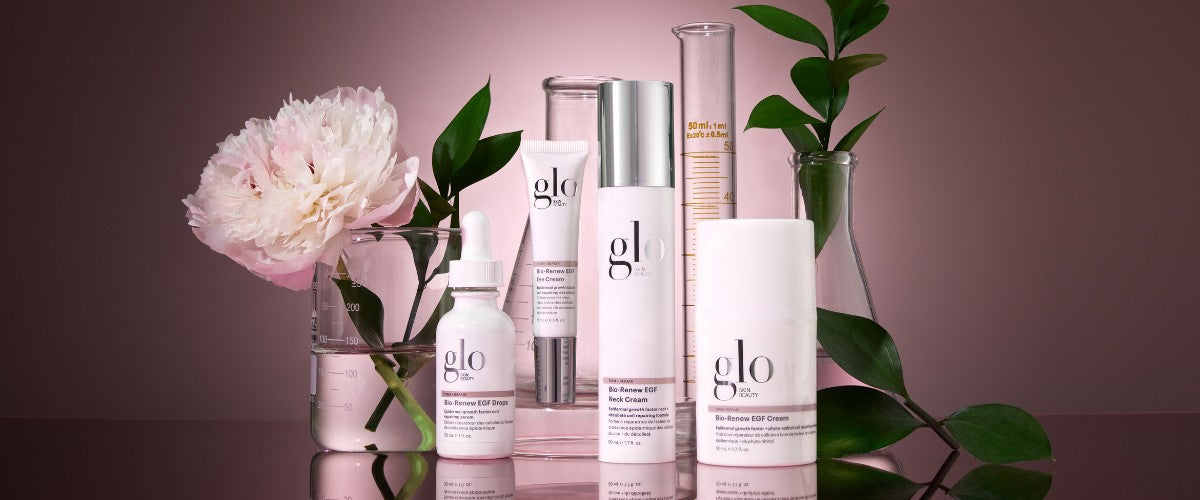
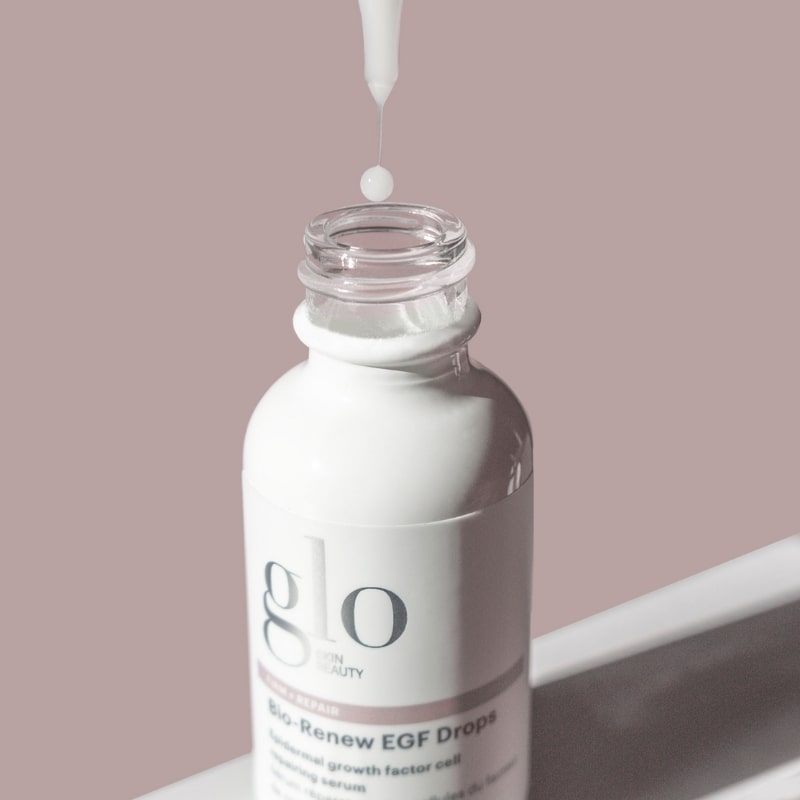
Bio-Renew EGF Drops: The vegan epidermal growth factor (EGF) and bio-active peptides in this anti-aging serum get to work on restoring and repairing skin's barrier, ready for the hyaluronic acid to rehydrate and strengthen skin.
Bio-Renew EGF Cream: Supporting our best-selling EGF serum, this award-winning EGF moisturizer is clinically proven to brighten, hydrate, and reduce the appearance of fine lines and wrinkles. EGF is an effective barrier repair ingredient, and when paired with phyto-retinol and peptides it makes this a super restorative moisturizer for daily or post-procedure use.
-
-
Bio-Renew EGF CreamClinically-proven epidermal growth factor + phyto-retinol cell repairing moisturizer$178.00
HA-Revive Hyaluronic Drops: Next-level hyaluronic acid-powered hydrating serum, boosts moisture levels, while plumping and strengthening for refreshed, radiant skin.
HA-Revive Hyaluronic Mist: Created to deeply hydrate and help prevent water loss by reinforcing skin’s protective barrier. Use it to rehydrate throughout the day or to prep skin for serum and moisturizer.
-
HA-Revive Hyaluronic DropsClinically-proven hyaluronic acid + marine actives hydrating serum$94.00
-
Vita E Essential Cream: A true medium-weight moisturizer that helps strengthen damaged skin, while also calming irritation and redness.
Restorative Mask: A nutrient-rich mask that helps restore skin’s strength and elasticity with the use of antioxidants and other conditioning ingredients.
The foundation of healthy skin
Ultimately, maintaining a healthy skin barrier is the foundation of long-term, resilient skin. When your barrier is strong, your skin can better defend itself, retain moisture, and appear balanced and radiant.
While it can be tempting to overdo treatments in pursuit of instant results, true transformation happens when you support your skin—not strip it. A consistent, barrier-focused routine helps restore harmony, allowing your complexion to recover and thrive.
When your skin feels calm, hydrated, and strong, that’s how you know your barrier is doing exactly what it’s made to do.
Key Takeaways
- A damaged skin barrier can lead to dehydration, sensitivity, and accelerated signs of aging
- Overuse of exfoliants, harsh skincare products, and environmental stress can contribute to skin barrier damage
- A simplified, barrier-focused skin care routine helps maintain a healthy and resilient complexion