

In the world of skincare, few ingredients come with as much hype and fandom as retinol. But with this popularity comes a downside—and downtime. While some may be able to tolerate retinol straight away, for the majority of us, early use of retinol can cause irritation, redness, and skin peeling, which is enough to put us off using it. That’s where retinization of skin comes in. Getting your skin ready for retinol means you need to retinize your skin—an adjustment period where you effectively train your skin to tolerate this potent but highly effective active.
“Often we see clients who say they’ve tried retinol, but it caused redness or discomfort on their skin, so they gave up on it,” explains Steph Scalet, Glo’s Aesthetic Lead. “The great news is that almost every skin type can use retinoids if you prep your skin in the right way—aka retinization.”
From how to start using retinol (retinize your skin) to how long it takes retinol to work, plus the best beginner’s retinol products, we delve into what you need to know to safely add retinol to your routine.
What is retinol and what does it do?
Retinol is one of the most studied active ingredients in skincare products. Derived from vitamin A, it works at the cellular level to:
- Boost skin cell turnover: Removes dead skin cells for smoother, brighter skin.
- Combat acne and breakouts: Helps unclog pores and reduce inflammation.
- Provide anti-aging benefits: Minimizes fine lines and wrinkles, and promotes collagen production.
- Enhance skin brightness: Improves overall tone and reduces dullness.
What is retinization?
Retinization is the process of gradually training your skin to tolerate retinol. Jumping straight into daily use can cause skin irritation, dryness, or peeling. By slowly introducing retinol, your skin builds tolerance, allowing retinol to work effectively in the long term.
“Retinol can be a tricky ingredient for your skin to get used to. Retinization is the initial adjustment period in which your skin adapts to using retinoids. To retinize your skin, start slowly and stick with it,” advises Steph. “The results you’ll see from retinol will be worth it, but it can take time.”
“Because retinol can make your skin photo-sensitive, use retinol at night only, starting out low and slow. We recommend starting with two nights per week and, over the course of a month or two, slowly build that up as tolerated. Depending on your skin’s sensitivity level, in time, you may be able to even use your retinol nightly.”
Why is it important to build up tolerance to retinol?
It’s important to build up a tolerance to retinol because it is known to cause irritation on the skin. If you’ve never used it before or are starting again after some time, you need to put time into preparing your skin to minimize downtime.
If you’ve never used it before or if you’re starting out with it again having not used it for some time, you need to put time into preparing your skin so you minimize any downtime.
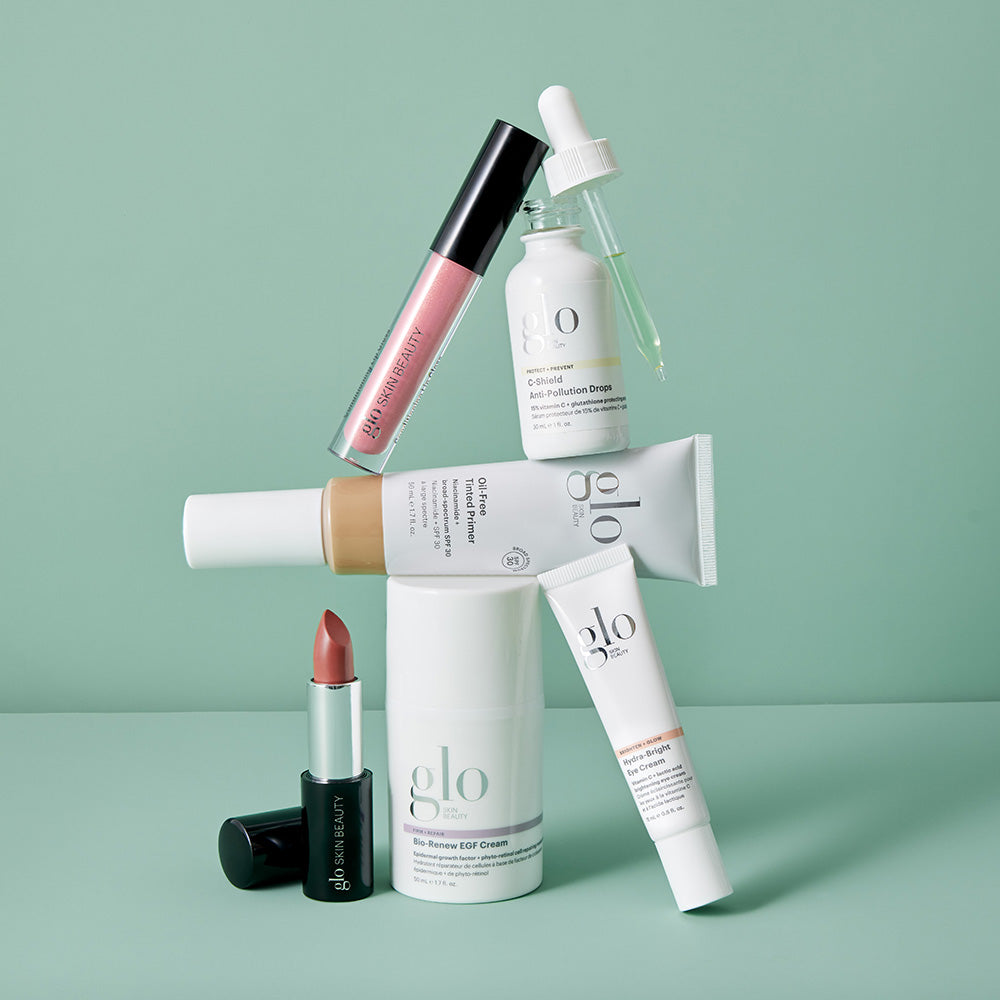
“You’ll also want to make sure your skin is healthy and comfortable before embarking on a retinization regimen,” shares Steph. “If you’re prone to dehydration, dryness, or redness, spend some time prepping skin with plenty of barrier-repairing moisturizers and serums. We love our Bio-Renew EGF Drops and Bio-Renew EGF Cream for this. Add HA-Revive Hyaluronic Drops too for a daily boost of moisture.
“You may even want to alternate your retinol nights with skin slugging nights to replenish and restore skin,” suggests Steph.
How to start using retinol aka retinization
The best way to start using retinol is by building up your retinol tolerance with a low-and-slow weekly dosage.
How often to apply retinol:
Apply your retinol at night, increasing weekly dosage over 4 weeks:
- Week 1: 2 nights
- Week 2: 3 nights
- Week 3: 4 nights
- Week 4: 5 nights
For weeks 1-2, cycle the treatment nights—one night on, one off.
For weeks 3-4, cycle the treatment nights—two nights on, two off.
“A little skin redness or tingling is normal—especially in the early days of your retinol regimen, but if you experience any discomfort, stop using and consult with your dermatologist,” advises Steph.
And remember, you can always adjust this schedule depending on what your skin is telling you. “If you have really reactive or sensitive skin or are experiencing some retinol side effects, you can try sandwiching your retinol serum with a moisturizer, or incorporate your retinol into a moisturizer while you’re getting used to that skin activity. Also, be sure to always avoid the eye area, unless it is a product specifically designed for the eyes. Make sure to only apply retinol at night only.”
Don’t forget your sunscreen for day too. “Always make sure you’re applying SPF during the daytime to keep your skin protected. We love Oil Free SPF 40+ for this as it’s the perfect all-mineral broad-spectrum sunscreen that shields skin without weighing it down.”
What’s the best starter retinol?
Most retinol products are graded on their strength by the percentage of retinol they contain. This usually starts at around 0.25% and can go up to 2% in skincare products—higher percentages of retinol are found in prescription retinoids. “Retinol’s strength also has to do with whether it’s in an anhydrous formula—meaning it doesn’t contain water, so that can enhance its potency,” adds Steph. “You can have a lower percentage of retinol, but in an anhydrous formula, it will be pretty active as it’s more concentrated.”
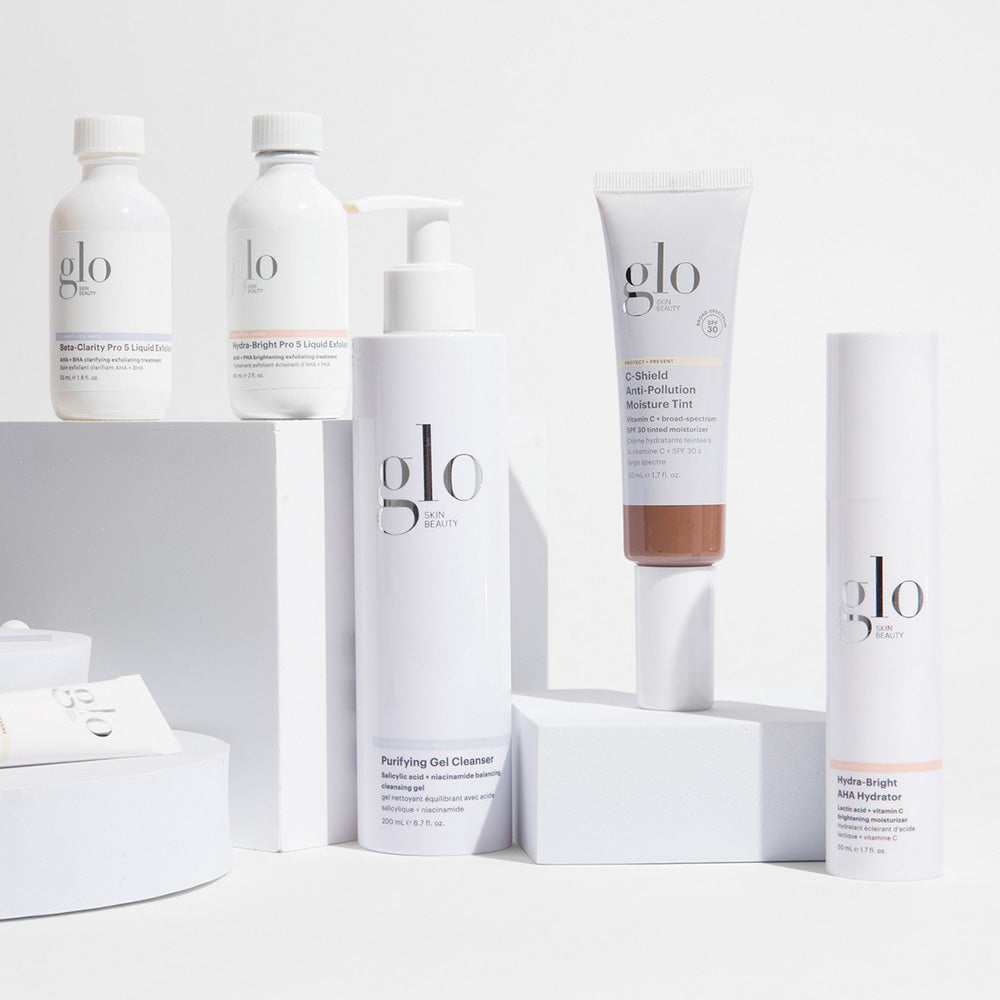
For a starter retinol, you can’t go wrong with Beta-Clarity BHA Drops. “As a level 1 retinol serum, it's perfect for new retinol users because it contains less than 1% retinol. Salicylic acid is included in this formula to help clear the complexion and promote new cell growth while also being anti-inflammatory at a low percentage. Glycolic acid helps with additional exfoliation and to help improve the appearance of skin’s texture. Niacinamide has a number of skin-benefiting ingredients, and in this serum, it helps reduce visible pores and can help prevent moisture loss while providing a calming effect to the skin. And, as if all that wasn’t enough, gluconolactone is a polyhydroxy acid that increases hydration levels, which enhances the skin barrier and helps reduce inflammation, making this a great retinol serum for beginners.”
What about other retinol serums?
Start out with our Beta-Clarity BHA Drops retinol serum, and over time, if you want to try something stronger, “The next step up would be our bestselling GlyPro Retinol Drops. It's formulated with 1.5% retinol in a hydrous formulation, paired with glycolic acid. This targeted serum focuses on smoothing, fine lines, and brightening your complexion,” adds Steph.
Can I still use other skincare products with retinol?
“When incorporating retinol into your routine, it’s important to make sure your skin barrier is in the best shape possible. So, I love to incorporate a great moisturizer, because hydrated skin has a better barrier function. For the daytime, we love to recommend HA-Revive Hyaluronic Hydrator for its moisture-quenching, barrier-strengthening benefits, paired with Bio-Renew EGF Cream for evening—although either can be used both morning and evening,” explains Steph.
“Both products use phyto-retinols, a plant-based alternative to retinol that is safe for daytime use and pregnancy too.”
“We love incorporating AHAs, BHAs, and vitamin C with our retinol serum and peel formulas because it improves the results that you get from the ingredients.”
Don’t forget sunscreen
“It goes without saying that you should be wearing your SPF every day as your best preventative aging product,” says Steph. “But actually retinol can make your skin more sensitive to UV rays, so it’s even more important to be extra diligent about wearing SPF 30+ every single day when incorporating retinol in your routine. Retinol also increases your cell turnover, so you’ll want to properly protect those new layers of skin.”
-
 HA-Revive Hyaluronic DropsClinically-proven hyaluronic acid + marine actives hydrating serum$94.00
 -
Bio-Renew EGF CreamClinically-proven epidermal growth factor + phyto-retinol cell repairing moisturizer$178.00
-
-
How long will it take to see results from retinol?
Everyone’s skin is different, but the main thing is to be patient and not expect results the next day. “It’s important to be realistic that things may get a little worse before they get better; that’s why we advise the retinization process,” explains Steph. “You’ll likely start noticing some benefits within the first month once your skin starts to adjust,” explains Steph. “Keep at it, and over time you’ll be in the retinol fanclub.”
Achieve Your Best Skin
Using retinol correctly is a game-changer for your skincare routine. By selecting the best retinol, gradually introducing it, and pairing it with dermatologist-approved skincare, you can reduce signs of aging, improve skin texture, and promote a radiant, healthy complexion.
FAQs
Can I use retinol with other active ingredients?
Yes! Retinol and vitamin C can complement each other, but it’s best to apply vitamin C in the morning and retinol at night. Other acids, like glycolic acid or exfoliating serums, should be introduced gradually.
Can I use retinol if I have sensitive skin?
Absolutely! Start using retinol slowly, selecting dermatologist-approved skincare designed for sensitive skin. Pairing it with moisturizers helps prevent dry skin and skin irritation.
How often should I use retinol?
How often to use retinol depends on your tolerance. Begin with 1–2 nights a week, then increase frequency as your skin adapts. Consistency ensures the effects of retinol without overwhelming your skin.
Can I apply retinol in the morning?
No. Always apply retinol at night, followed by daily sunscreen use during the day to protect your skin from UV damage.
Key Takeaways
- Start using retinol slowly to allow your skin to tolerate retinol effectively.
- Retinol skincare is best applied at night, followed by daily sunscreen use.
- Prep your skin with moisturizers and barrier-supporting products to prevent skin irritation.
- Choose the right retinol product for your specific skin goals and tolerance.
- Results take time—consistent retinol use yields smoother, brighter, and healthier skin.